
After an injury, it’s natural to look for clues about how serious it might be. A common misconception is that if you can still move the injured body part, it can’t be broken. But that’s not always true.
Some fractures still allow movement, which is why orthopedic specialists look beyond movement alone when evaluating an injury. Pain, swelling, tenderness and how symptoms change over time can provide important insight into what’s really going on.
“One of the challenges with orthopedic injuries is that every injury presents a little differently,” said Dr. Jeremy Hunt, fellowship-trained sports medicine specialist at CIO Muncie Walk-In Clinic. “Even when a patient feels they’re functioning reasonably well, we still want to understand how the injury happened and whether symptoms are improving or getting worse. Those details often tell us a great deal.”
Not Every Fracture Looks the Same
When people think of a broken bone, they often imagine an obvious injury with immediate loss of function. In reality, fractures can vary significantly depending on the location and severity of the injury.
In some cases, a person with a fracture may still be able to:
- Walk on an injured foot or ankle
- Move a wrist or finger
- Bend an elbow or knee
- Continue using the affected arm or leg
That’s why the ability to move an injured area doesn’t necessarily rule out a fracture.
Pay Attention to What Your Body Is Telling You
Movement is only one piece of the puzzle.
Following an injury, pay attention to symptoms such as:
- Persistent pain
- Swelling that doesn’t improve
- Bruising or tenderness to the touch
- Difficulty bearing weight
- Changes in normal movement or activity
If symptoms continue for several days or worsen over time, it’s worth seeing a specialist.
“Many people expect orthopedic injuries to improve steadily with time,” said Dr. Kile Carter, fellowship-trained sports medicine specialist at CIO Fishers Walk-In Clinic. “If you’re several days removed from an injury and symptoms aren’t changing or are becoming more limiting, that’s usually a good indication that the injury deserves a closer look.”
Why This Matters for Young Athletes
While this misconception can affect patients of any age, it’s especially important to recognize in children and teens. Because their bones are still developing, children and teens can experience growth plate injuries that differ from those seen in adults. Growth plates are areas near the ends of bones where growth occurs, and injuries to these areas require special attention.
A child may still be able to move the injured arm or leg, even when a growth plate injury is present. That’s why ongoing pain, swelling or tenderness following a fall or sports injury shouldn’t be dismissed simply because a child is still able to play or move around.
“With young athletes, we’re often balancing two priorities: helping them heal properly and helping them return safely to the activities they enjoy,” said Dr. Warren Lawless, fellowship-trained sports medicine specialist at CIO Anderson Walk-In Clinic. “Because growing bones respond differently to injury than adult bones, it’s important to evaluate persistent symptoms rather than assuming they’ll resolve on their own. Patience during recovery is just as important as treatment, as returning to activity too soon can sometimes lead to additional problems.”
Why an Orthopedic Evaluation Can Make a Difference
One challenge with orthopedic injuries is that many conditions can look and feel similar. Sprains, strains, fractures and growth plate injuries often share symptoms like pain, swelling and bruising.
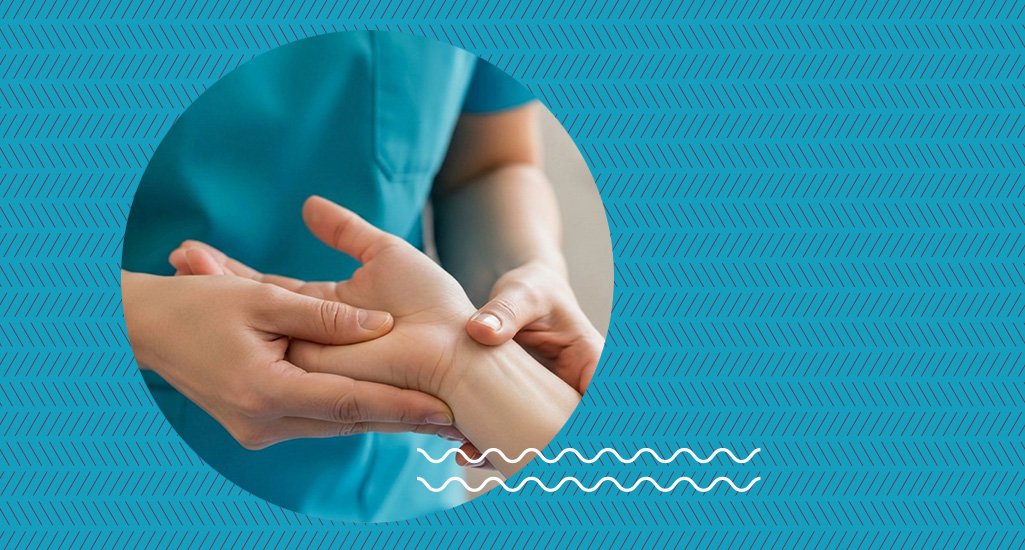
That’s why orthopedic specialists don’t rely on movement alone to determine what’s going on. A thorough evaluation often starts with a hands-on examination, where providers assess areas of tenderness, swelling, stability and function. When needed, imaging such as X-rays or MRI can help confirm a diagnosis and guide treatment. Together, these tools help provide something many patients are looking for after an injury: answers, peace of mind and a clear path forward.
At Central Indiana Orthopedics, patients can receive both an orthopedic evaluation and on-site imaging under one roof, helping streamline the diagnosis and treatment process. For faster access to an orthopedic specialist, our no-appointment Walk-In Clinics are designed to help patients address acute injuries quickly, often helping prevent a minor issue from becoming a larger problem.
“One of the biggest benefits of seeing an orthopedic specialist early is gaining clarity about what’s causing your symptoms,” said Dr. Lawless. “A physical examination and imaging, when appropriate, help us identify the injury and determine the best path forward so patients can focus on recovery instead of uncertainty.”
Getting Answers Starts with Expert Care
Being able to move a body part after an injury can be reassuring, but it doesn’t always tell the full story. Persistent pain, swelling and tenderness are often better indicators that something may need medical attention. Whether the issue turns out to be a fracture, growth plate injury, sprain or another orthopedic condition, getting answers early can help you recover safely and confidently.
If you’ve experienced a recent injury and aren’t sure what’s causing your symptoms, our team is here to help. With orthopedic specialists, on-site imaging and Walk-In Clinics all under one roof, CIO makes it easy to get the evaluation you need and a clear understanding of next steps. Find a CIO Walk-In Clinic near you at ciocenter.com/services/walk-in-clinic/