
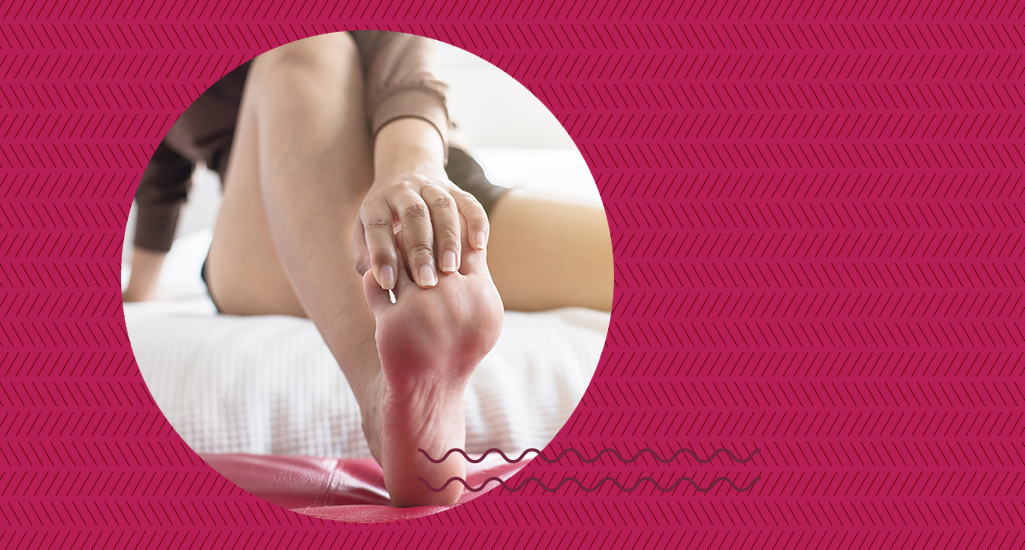
If you’ve ever stepped out of bed and felt a sharp, stabbing pain shoot through the bottom of your heel, you’re not alone. Those first few minutes of walking can feel like you’re stepping on a sensitive bruise — or worse, a knife. For many people, that uncomfortable start to the day is a classic sign of plantar fasciitis.
Plantar fasciitis is one of the most common causes of heel pain, affecting everyone from runners and athletes to people who spend long hours on their feet or have simply taken an awkward step. Understanding why it hurts — and what you can do about it — is key to getting back on your feet comfortably.
The Plantar Fascia: Your Foot’s Built‑In Shock Absorber
The plantar fascia is a strong, fibrous band of tissue that runs along the bottom of your foot, connecting your heel bone to your toes. Its job is to support your arch and absorb impact with every step. When this tissue becomes irritated or overstretched, tiny micro tears can develop, causing pain and inflammation — especially after the tissue tightens overnight. That’s why morning pain is such a tell-tale symptom.
“Plantar fasciitis is a very common cause of heel pain – something I see weekly, if not daily,” said Dr. Adam Lyon, CIO foot and ankle surgeon. “It’s one of the most common conditions I treat. The plantar fascia becomes irritated or painful largely due to repetitive tension during weight‑bearing and physical activity. That tension is often made worse by some degree of calf tightness, which increases the pull on the plantar fascia.”
Why Morning Pain Happens
During sleep, the plantar fascia naturally contracts and stiffens. When you take your first steps in the morning, the sudden stretch on that tight tissue can trigger sharp heel pain.
Common contributing factors include:
- Tight calf muscles
- Flat feet or high arches
- Sudden increases in activity
- Prolonged standing or walking
- Inadequate or worn‑out footwear
It’s a problem seen across all ages and activity levels — from runners ramping up mileage to people who just spent a weekend doing yardwork.
“Morning pain or pain with the first few steps after getting out of bed or standing up is a very common symptom of plantar fasciitis,” said Dr. Lyon. “The sudden stretch on the tightened tissue is what causes that sharp discomfort. Calf or Achilles tightness is one of the main risk factors, and plantar fasciitis is especially common in people whose jobs require long periods of standing or walking, particularly on hard surfaces.”
Recognizing the Symptoms
While heel pain can stem from multiple causes, plantar fasciitis tends to follow a distinct pattern.
Symptoms may include:
- Sharp pain in the heel with first steps in the morning
- Pain after standing up from sitting
- Discomfort that worsens after activity (not usually during it)
- Tenderness along the bottom of the foot
If these sound familiar, early treatment can make a major difference in recovery time.
How to Treat and Prevent Plantar Fasciitis
The good news? Most cases improve with consistent non‑surgical treatment. A combination of stretching, strengthening and supportive footwear often provides significant relief.
- Stretch Regularly: Tight calf muscles are a major driver of plantar fascia strain. Stretching your calves and foot several times a day can reduce morning pain.
- Wear Supportive Shoes: Arch support and proper cushioning help reduce stress on the heel. Many people find relief by switching to footwear designed for stability.
- Ice and Anti‑inflammatory Strategies: Ice rolling (using a frozen water bottle) can reduce inflammation after activity.
- Strengthen Supporting Muscles: Foot and ankle strengthening improves arch support and reduces stress on the plantar fascia.
- Night Splints and Orthotics: Night splints keep the foot gently stretched, reducing morning tightness. Custom orthotics can also help those with recurring pain.
“My typical recommendation for treating plantar fasciitis includes frequent, targeted calf stretching – especially focusing on the gastrocnemius muscle – along with well‑cushioned shoes with a thicker heel, anti‑inflammatories and heel wedges or cushions,” said Dr. Lyon. “Additional treatment options may include physical therapy, corticosteroid injections or a short period of immobilization.”
When to Seek Care from a Foot & Ankle Specialist
If your pain doesn’t improve after a few weeks of home care, it’s time to see a specialist.
Chronic or severe cases may benefit from:
- Diagnostic imaging
- Custom orthotics
- Physical therapy
- Advanced treatments such as ultrasound‑guided injections
“If your symptoms persist or are significant despite conservative treatment, that’s when we would discuss additional options, including targeted stretching and home exercises,” said Dr. Lyon. “Most importantly, early diagnosis often leads to a faster, more complete recovery — so it’s best not to ignore ongoing heel pain.”
If you’re experiencing sharp heel pain, especially those first steps in the morning, our board‑certified foot and ankle specialists can help you get back to comfortable movement. From personalized treatment plans including nonsurgical care and physical therapy, we’re here to support your foot health every step of the way. Learn more at ciocenter.com/services/ankle-foot/
About Dr. Adam Lyon
 Dr. Adam Lyon is a board‑certified, fellowship‑trained orthopedic surgeon who specializes in foot and ankle care, including trauma, sports injuries, arthritis, deformities, and chronic pain. He is known for his down‑to‑earth, collaborative approach to patient care, partnering with patients to set meaningful recovery goals and develop personalized treatment plans. What motivates him most is seeing patients return to the activities they love — pain free.
Learn more about Dr. Lyon and request an appointment at ciocenter.com/physicians/adam-w-lyon-m-d/