
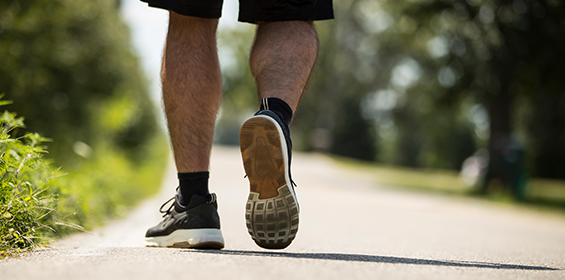
As the days get longer and the weather improves, many people naturally start moving more. Longer walks, more time outdoors, getting back to exercise or spending extended hours on their feet can feel like a positive reset until foot pain makes itself known.
If your feet start aching, burning or feeling sore after activity, you’re not imagining it. Lifestyle changes can place new and unexpected stress on the feet, especially if they happen quickly.
“Spring is one of the busiest times of year for foot and ankle pain,” said Dr. Steve Herbst, Central Indiana Orthopedics foot and ankle surgeon. “People often feel great and increase their activity all at once, but the feet may not be conditioned for that sudden change.”
Understanding how different activities affect the feet can help you know when discomfort is part of a normal adjustment and when it may be time to seek care.
Walking More Than You’re Used To
Walking is one of the simplest and healthiest ways to stay active, and spring often motivates people to add more steps to their routine. But increasing distance, pace or frequency too quickly can overload muscles, tendons and ligaments that haven’t adapted yet.
Common walking‑related symptoms include:
- Mild soreness in the feet or heels
- Stiffness that improves after warming up
- Fatigue that resolves with rest
When those symptoms don’t improve, or begin to worsen, it may be a sign that something else is going on.
“Problems tend to arise when walking volume increases faster than the body can adapt,” Dr. Herbst explained. “Supportive footwear and gradual progression are key, but persistent pain shouldn’t be ignored.”
Standing All Day Can Be Just as Stressful
Foot pain isn’t limited to exercise. For people who spend long hours standing, repetitive stress on hard surfaces can be just as demanding as physical activity.
Standing‑related foot pain often feels like:
- Aching in the heels or arches
- Swelling by the end of the day
- Pain that improves overnight, then returns quickly
While better shoes and cushioning can help, pain that repeats day after day may indicate underlying strain.
“Standing for long periods places ongoing pressure on the same areas of the foot,” said Dr. Herbst. “If pain keeps coming back despite supportive shoes or rest, it’s worth having it evaluated.”
Returning to Exercise After Rest
Getting back into running, gym workouts, sports or fitness classes after a break can be especially hard on the feet. Muscles and tendons may not yet be ready for impact, repetition or intensity.
Warning signs include:
- Pain that worsens with each workout
- Tenderness in a specific area of the foot
- Subtle changes to your gait or stride
“Pain that changes how someone walks or moves is an important signal,” Dr. Herbst said. “Pushing through discomfort can turn a small issue into a longer recovery.”
When to Adjust – and When to Get Checked
Foot pain related to increased activity often improves with simple adjustments, such as pacing yourself, upgrading footwear and allowing adequate recovery time.
You may be able to manage symptoms on your own if:
- Pain improves within a week
- Discomfort eases with rest
- You can walk normally
But it’s time to seek expert care if:
- Pain lasts longer than one to two weeks
- Pain worsens instead of improving
- Walking becomes difficult or painful
- You notice swelling, numbness or sharp pain
Getting Help Without the Wait
When foot pain comes on suddenly or begins to interfere with daily activities, Central Indiana Orthopedics Walk‑In Clinics provide same‑day orthopedic care without an appointment. Our board-certified physicians and orthopedically-trained specialists can assess symptoms, order imaging if needed and recommend next steps – often all in the same day.
“Early evaluation often helps us keep minor issues from becoming more serious,” said Dr. Herbst. “The goal is to help patients stay active safely, not sideline them.”
Pay Attention to the Signals Your Feet Send
Your feet absorb every step you take, and they often speak up when something needs attention. Listening early and responding appropriately can make the difference between a short adjustment period and prolonged pain.
If foot discomfort isn’t improving or is starting to limit your activity, we’d love to help determine what’s going on and guide you back to comfortable movement. Call 800-622-6575 to schedule an appointment or request one online at ciocenter.com/contact-us/.
About Steve Herbst, MD
 Dr. Steve Herbst is a board‑certified, fellowship‑trained orthopedic surgeon at Central Indiana Orthopedics, specializing in foot and ankle care, including complex reconstruction, joint replacement, sports injuries, trauma and arthritis treatment. He is widely recognized for his innovative contributions to foot and ankle surgery, including co‑designing and patenting the Zimmer Biomet Trabecular Metal™ Total Ankle Replacement and performing the first BioPoly® Great Toe procedure in the United States, helping advance surgical options for patients with complex foot conditions. Dr. Herbst is also deeply committed to global outreach, having completed more than 20 international orthopedic mission trips to provide care to patients overseas. He is known for his patient‑centered approach and dedication to improving mobility and quality of life.
Learn more: ciocenter.com/physicians/steve-herbst-m-d/