
Did 2025 fly by, or was it just us?! Either way, it’s been another remarkable year at Central Indiana Orthopedics. From groundbreaking surgical milestones to community outreach and practice expansions, our team has continued to raise the bar in orthopedic care. None of this would be possible without our incredible staff and, of course, our patients — thank you for trusting us with your care. Here’s a look back at some of the highlights from this year.
Recognitions and Milestones
We kicked off the year with some exciting recognition for our practice as a whole. Central Indiana Orthopedics was ranked #2 in the Top Physician Practices in Indiana by Castle Connolly! This honor reflects the expertise, compassion and patient-focused care of our talented team.
Our physicians were celebrated throughout the year as well. Dr. John Martin was named Best of Madison County in the Physician Category, reflecting his dedication to helping patients return to the activities they love.
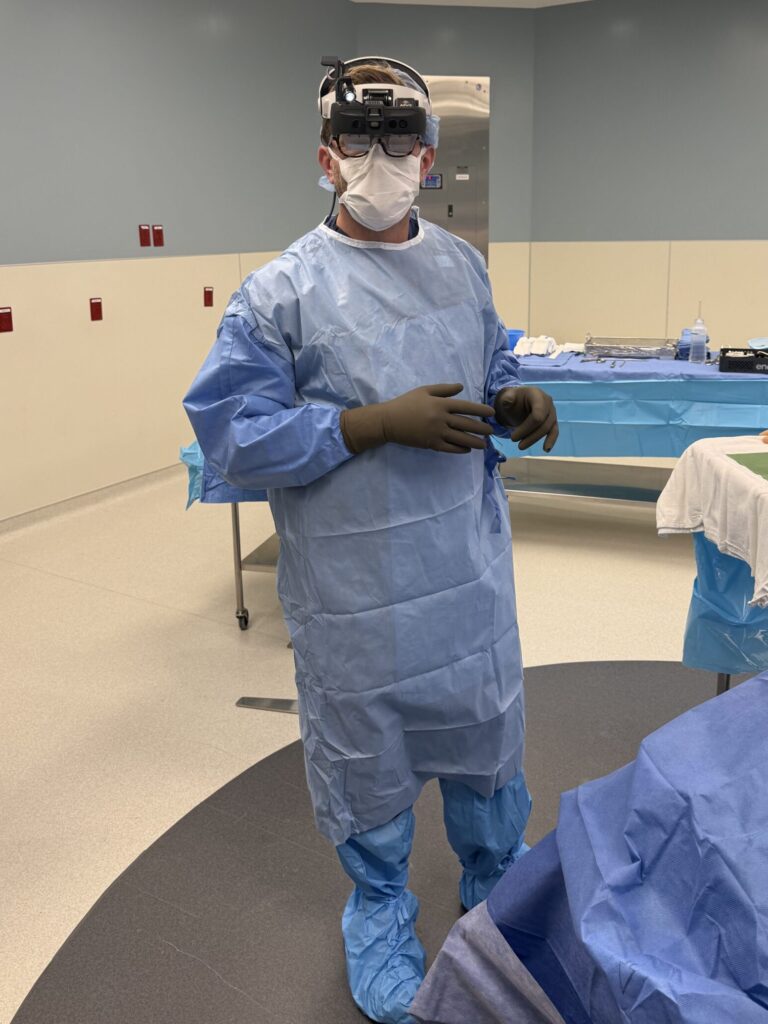
Dr. Brian Badman had a particularly remarkable year — he was named one of Newsweek’s America’s Leading Shoulder Surgeons and became the first surgeon in Indiana to perform a shoulder replacement using the ARVIS® augmented reality system. This technology allows surgeons to work with precision in real-time, improving outcomes and personalizing care for every patient.
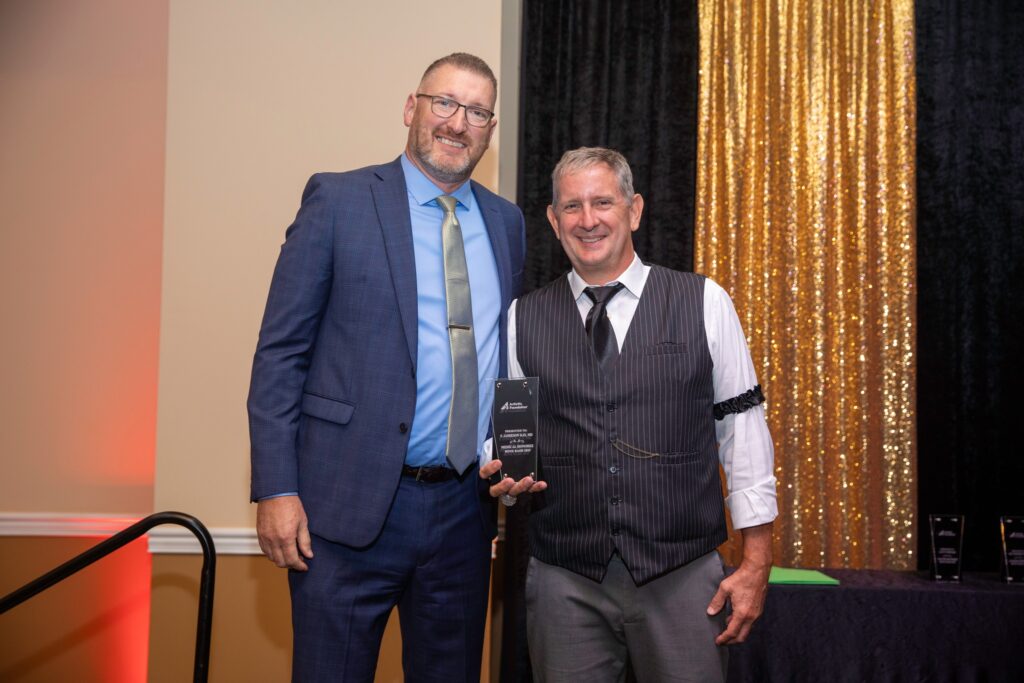
Meanwhile, Dr. Jamie Kay was recognized as the Medical Honoree at the Arthritis Foundation Bone Bash, a celebration of his work helping patients regain mobility and reduce pain. With nearly $26,000 raised by our team for the Arthritis Foundation this year, CIO continues to make a meaningful impact in the fight against arthritis.
In November, we were thrilled to see our Fishers and Zionsville physicians named 2025 Top Doctors by Indianapolis Monthly. This recognition is peer-nominated, and it was especially exciting as Zionsville was a brand-new office this year.
Practice Expansion
2025 marked an exciting step forward in our commitment to accessibility and convenience: we officially opened our Zionsville office in March! Located in the heart of downtown Zionsville, the office brings expert orthopedic care closer to more patients, offering on-site casting, X-ray, joint replacement, sports medicine and more.

The opening of Zionsville, along with the celebration of 5 years in our Fishers office, reflects our dedication to serving communities across Central Indiana. These locations, plus our additional offices in Anderson, Muncie and Marion, allow us to provide convenient, comprehensive care to more patients than ever before.
Surgical Milestones
This year, our surgical teams reached incredible milestones in robotic-assisted procedures. We completed 4,000 Mako surgeries — including hips, knees and partial knees — marking an huge milestone in precision joint replacement.

Dr. Brent Damer also reached a personal milestone with 1,000 Mako surgeries performed, a testament to his dedication to innovation and helping patients return to their favorite activities.

Our surgeons continue to be leaders in technology-driven care, with ARVIS® shoulder procedures and Mako robotic surgeries ensuring patients receive highly precise, personalized care.
Outreach and Community Impact
At Central Indiana Orthopedics, community care extends far beyond our offices. This year, our team supported Isaiah 117 House, providing gifts and resources to Delaware County foster children.

We also collected 315 pairs of socks during our “Socktober” sock drive to help Muncie-area families and led fundraising efforts for Secret Families Christmas Charity of Madison and Delaware Counties, raising enough to support more than six families of five.

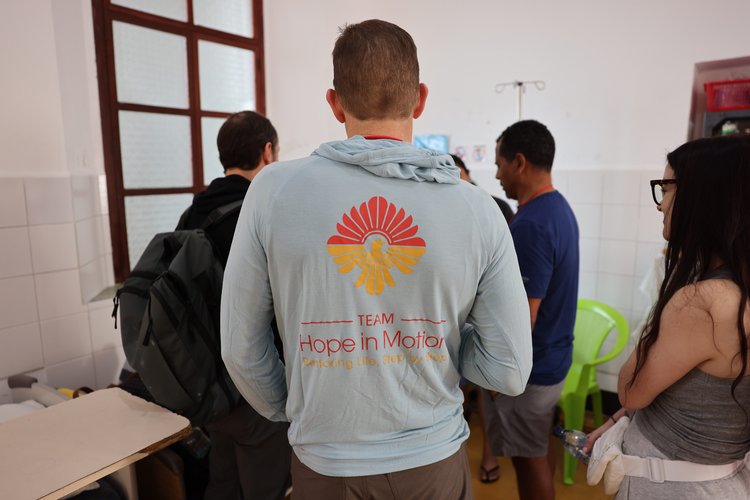
Dr. Steve Herbst traveled to Guatemala with Team Hope in Motion, where the team performed a total of 98 surgeries over seven days, transforming the lives of patients in need. Through these efforts, we continue to live out our mission of improving lives both locally and globally.

Looking Ahead
2025 has been a year of innovation, growth and celebration. From groundbreaking surgeries to expanding our practice and raising funds for important causes, we are proud of the work our team has accomplished.
As we look forward to 2026, we remain committed to providing expert, compassionate care while continuing to innovate, support our communities and help patients get back to the activities they love.
Thank you to our patients, staff and community partners for making 2025 such a remarkable year. We can’t wait to see what we can achieve together in the year ahead!